
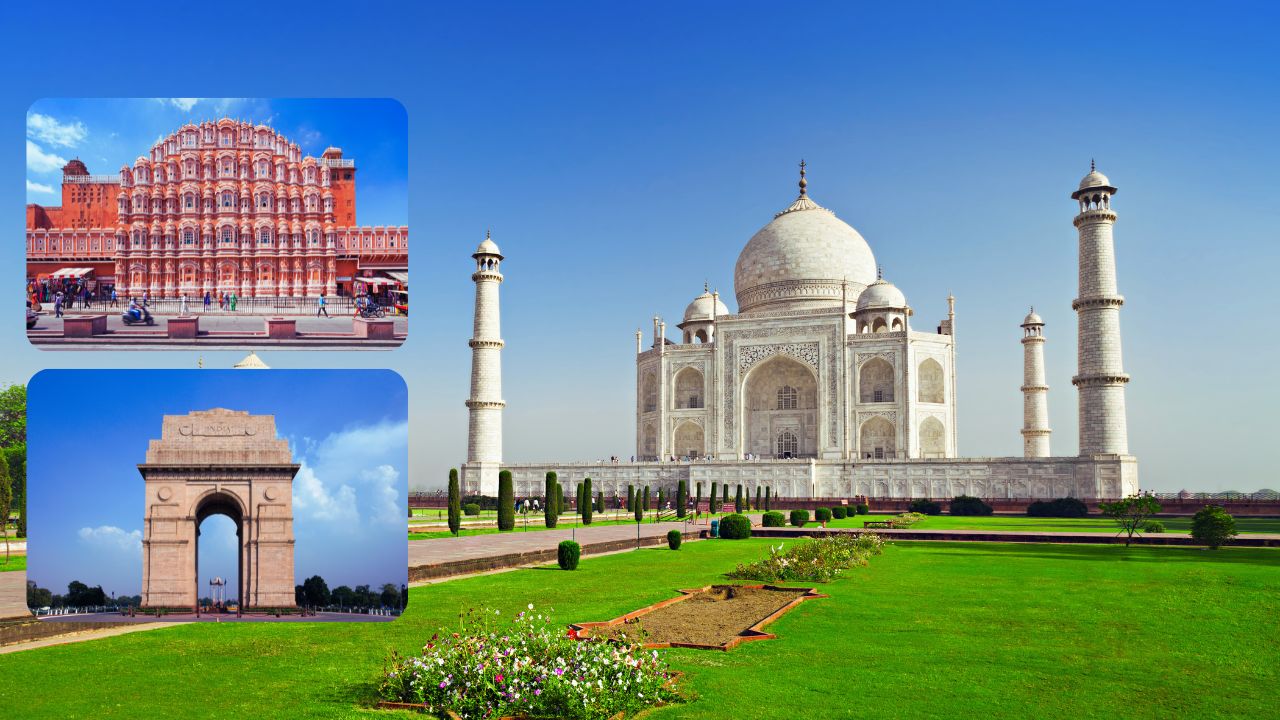
If you are planning your first trip to India, you may be wondering, is the Golden Triangle in India worth visiting? The answer is a definite yes for most international travellers. The Golden Triangle Tour connects three of India's most fascinating destinations: Delhi, Agra and Jaipur. Together, these cities offer an extraordinary introduction to India's history, architecture, culture, food, markets and everyday life.
The Golden Triangle is particularly popular because the three cities are relatively easy to connect by road or rail. Within one journey, travellers can experience the historic monuments of Delhi, the magnificent Taj Mahal in Agra and the colourful heritage of Jaipur, the Pink City. The route also gives visitors an opportunity to experience different sides of India, from the busy streets of Old Delhi to the Mughal architecture of Agra and the royal palaces of Rajasthan.
Whether you have five days, seven days, ten days or more, a Delhi Agra Jaipur tour can be adapted to suit your travel style. You can travel from Delhi to Agra and Jaipur, or start in Jaipur and travel through Agra before finishing in Delhi. Both routes are excellent, but each provides a slightly different experience.
What Is the Golden Triangle of India?
The Golden Triangle of India is a popular tourist circuit connecting Delhi, Agra and Jaipur. On a map, these three cities form a rough triangle, which is why the route is known as the Golden Triangle.
Delhi is generally the starting point for international travellers because it has major international flight connections. From Delhi, the journey continues to Agra, home of the Taj Mahal, and then to Jaipur, the capital of Rajasthan. Alternatively, travellers can begin in Jaipur, visit Agra and finish their journey in Delhi.
These three destinations complement each other beautifully. Delhi provides a mixture of ancient history, colonial architecture and modern Indian culture. Agra showcases the extraordinary legacy of the Mughal Empire. Jaipur introduces visitors to the royal heritage, forts, palaces and colourful traditions of Rajasthan.
Why Is the Golden Triangle Worth Visiting?
The biggest advantage of a Golden Triangle journey is the variety of experiences packed into one relatively manageable itinerary. Instead of spending your entire holiday in one city, you can see three destinations with very different personalities.
1. See the Taj Mahal in Agra
For many travellers, the main reason to visit the Golden Triangle is the Taj Mahal. This world-famous monument is one of India's most recognisable landmarks and is widely considered one of the finest examples of Mughal architecture.
Built from white marble, the Taj Mahal is especially beautiful around sunrise when the soft morning light creates changing shades across the monument. Visiting early also provides a more peaceful experience compared with the busiest periods of the day.
The Taj Mahal is not the only reason to visit Agra. Travellers can also explore Agra Fort, Mehtab Bagh and other historic sites. The city therefore deserves more than a rushed stop if you have enough time in your itinerary.
2. Discover the History of Delhi
Delhi is one of India's most rewarding cities for travellers interested in history and culture. Its long history has left behind forts, mosques, tombs, temples and monuments from different periods.
Depending on your interests, you can explore Old Delhi, visit the Red Fort, see Jama Masjid and experience the lively atmosphere of Chandni Chowk. Other attractions include Humayun's Tomb, India Gate, Qutub Minar and Lotus Temple.
Delhi is also an excellent introduction to Indian food. Visitors can sample everything from traditional North Indian dishes to street food and contemporary international cuisine.
3. Experience the Royal Heritage of Jaipur
Jaipur, popularly known as the Pink City, brings the royal character of Rajasthan into the Golden Triangle. The city is famous for its magnificent palaces, forts, colourful bazaars and traditional crafts.
The most popular attractions include Amber Fort, City Palace, Hawa Mahal and Jantar Mantar. Travellers can also explore local markets for textiles, jewellery, handicrafts and traditional Rajasthani products.
Jaipur is particularly appealing to visitors who want to experience Rajasthan without travelling deep into the state. It provides an introduction to the region's royal history and culture while remaining conveniently connected to Delhi and Agra.
Golden Triangle Route 1: Delhi – Agra – Jaipur
The Delhi Agra Jaipur route is the most popular Golden Triangle itinerary. It works especially well for international travellers arriving at Delhi airport because the journey begins in India's capital and gradually moves towards Rajasthan.
Delhi to Agra
Start your journey in Delhi by exploring some of the city's historic and cultural attractions. Depending on your arrival time, you may spend one or two days visiting places such as India Gate, Qutub Minar, Humayun's Tomb, Red Fort and Old Delhi.
From Delhi, travel to Agra. Travelling by private car with a driver gives you greater flexibility because you can choose your departure time and stop along the way if required.
Once in Agra, visit Agra Fort and explore the historic centre of the city. If possible, stay overnight so that you can visit the Taj Mahal early the following morning.
Agra to Jaipur
After visiting the Taj Mahal, continue from Agra to Jaipur. This is one of the most interesting parts of the journey because the scenery gradually changes as you approach Rajasthan.
Travellers with additional time can consider stopping at Fatehpur Sikri, the historic Mughal city located between Agra and Jaipur. The impressive buildings and abandoned-city atmosphere make it a worthwhile addition to the itinerary.
After reaching Jaipur, spend at least one full day exploring the Pink City. Two nights are even better if you want time for sightseeing, shopping and enjoying the city's food and atmosphere without rushing.
Suggested Delhi Agra Jaipur Route
- Day 1: Arrive in Delhi and relax or explore nearby attractions.
- Day 2: Delhi sightseeing including Old Delhi and major historical monuments.
- Day 3: Delhi to Agra and visit Agra Fort.
- Day 4: Sunrise visit to the Taj Mahal and continue to Jaipur.
- Day 5: Explore Amber Fort, City Palace, Hawa Mahal and other Jaipur attractions.
- Day 6: Additional Jaipur sightseeing or departure.
Golden Triangle Route 2: Jaipur – Agra – Delhi
The Jaipur Agra Delhi route is an excellent alternative for travellers who want to begin their India holiday in Rajasthan. It is particularly convenient if Jaipur is connected to your previous destination or if you want to experience the royal side of India first.
Start in Jaipur
Begin your Golden Triangle tour in Jaipur. Spend your first day exploring the city's major attractions, including Amber Fort, City Palace and Hawa Mahal.
Jaipur is also an excellent place to experience Indian shopping. The city is known for gemstones, jewellery, textiles, block printing, handicrafts and traditional Rajasthani products.
If you have two days in Jaipur, you can explore the main attractions at a comfortable pace and also visit additional sites such as Jal Mahal, Albert Hall Museum and local markets.
Jaipur to Agra
Continue from Jaipur to Agra. Depending on your schedule, you can travel directly or include a stop at Fatehpur Sikri.
Once you arrive in Agra, explore Agra Fort and other local attractions. The highlight should be a sunrise visit to the Taj Mahal. The early morning is one of the best times to see the monument and photograph it in softer light.
Agra to Delhi
After exploring Agra, continue to Delhi. This makes the route particularly convenient for international travellers who plan to fly home from Delhi.
You can spend your final day exploring Delhi, shopping for souvenirs or simply relaxing before your international flight. If your flight leaves late at night, you may have time for additional sightseeing before heading to the airport.
Suggested Jaipur Agra Delhi Route
- Day 1: Arrive in Jaipur and relax.
- Day 2: Jaipur sightseeing including Amber Fort, City Palace and Hawa Mahal.
- Day 3: Jaipur to Agra with an optional visit to Fatehpur Sikri.
- Day 4: Sunrise visit to the Taj Mahal and explore Agra Fort.
- Day 5: Agra to Delhi and Delhi sightseeing.
- Day 6: Additional Delhi sightseeing and departure.
Delhi Agra Jaipur or Jaipur Agra Delhi: Which Route Is Better?
There is no single correct answer. Both routes cover the same three destinations, so the best option depends on your flight schedule and where you are travelling before or after the Golden Triangle.
Delhi Agra Jaipur is ideal if you arrive internationally in Delhi and want to start your trip with the capital. It also works well if you plan to continue from Jaipur into Rajasthan, perhaps towards Jodhpur, Udaipur, Pushkar or Jaisalmer.
Jaipur Agra Delhi is ideal if you are already travelling in Rajasthan or if you want your trip to finish in Delhi for an international flight. It also provides a satisfying progression from Rajasthan's royal heritage through Mughal Agra to the historic capital.
For travellers booking a private car and driver, both routes are straightforward. You can also customise the itinerary according to your arrival and departure times.
How Many Days Do You Need for the Golden Triangle?
The Golden Triangle can technically be completed in four or five days, but a 6 to 7 day Golden Triangle tour is much more comfortable. This gives you enough time to explore the principal attractions without spending the entire holiday travelling between monuments.
4 to 5 Days
A short itinerary can cover the highlights of Delhi, Agra and Jaipur. This is suitable for travellers with limited vacation time, although the schedule can be busy.
6 to 7 Days
A week is one of the best options for first-time visitors. You can spend around two days in Delhi, one night in Agra and two nights in Jaipur, with enough time for sightseeing and travel.
8 to 10 Days
A longer itinerary allows you to slow down and add experiences such as local food tours, village visits, cooking experiences, shopping, cultural activities and additional historical sites.
What Can You See on a Golden Triangle Tour?
The Golden Triangle contains a remarkable concentration of historic and cultural attractions. Some of the most important places to include are:
- Red Fort, Delhi
- Qutub Minar, Delhi
- Humayun's Tomb, Delhi
- India Gate, Delhi
- Jama Masjid, Delhi
- Taj Mahal, Agra
- Agra Fort, Agra
- Fatehpur Sikri
- Amber Fort, Jaipur
- City Palace, Jaipur
- Hawa Mahal, Jaipur
- Jantar Mantar, Jaipur
- Jal Mahal, Jaipur
Golden Triangle for First-Time Visitors to India
The Golden Triangle is particularly suitable for people visiting India for the first time. India is a vast country, and attempting to cover too many destinations during your first trip can result in long journeys and limited time at each attraction.
The Golden Triangle offers a more manageable introduction. You can experience Indian history, architecture, food, shopping and culture within a single itinerary.
It is also relatively easy to customise. Travellers who prefer history can add more monuments and museums. Food lovers can include culinary experiences. Shoppers can spend additional time in Jaipur and Delhi markets. Photography enthusiasts can schedule sunrise and sunset visits to major monuments.
Why Travel the Golden Triangle by Private Car?
A private car with driver in India provides flexibility that can be difficult to achieve with a fixed group tour. You can choose your departure time, stop for photographs, take breaks and adjust the schedule when necessary.
Private travel is especially useful for international visitors who may not be familiar with Indian roads or local transport arrangements. A professional driver can help make the journey between Delhi, Agra and Jaipur smoother and more convenient.
It is also possible to customise the route. For example, you can include Fatehpur Sikri between Agra and Jaipur or add additional sightseeing in Delhi or Jaipur depending on your interests.
Best Time to Visit the Golden Triangle
The cooler months are generally the most comfortable period for exploring Delhi, Agra and Jaipur. October to March is popular among international travellers because daytime temperatures are generally more pleasant for sightseeing than during the hottest months.
Winter mornings can be cool, particularly in Delhi and Agra, so carrying a light jacket or warm layer is useful. Jaipur can also become quite cool in the early morning and evening.
The summer months can be extremely hot, while the monsoon season brings periods of rain and higher humidity. Travelling during these seasons can still be rewarding, particularly for travellers who prefer fewer tourists, but sightseeing schedules should be planned accordingly.
Is the Golden Triangle Suitable for Families?
Yes. The Golden Triangle is a popular choice for family holidays in India. Children can see famous monuments, forts and palaces while learning about Indian history and culture.
Families travelling with children may benefit from a private vehicle because it allows them to take breaks during long journeys. Choosing comfortable hotels and avoiding an overly packed schedule can make the experience more enjoyable for everyone.
Is the Golden Triangle Good for Couples?
The Golden Triangle can be an excellent destination for couples. From watching the sunrise at the Taj Mahal to enjoying a rooftop dinner in Jaipur, the route offers many memorable experiences.
Couples can also extend the itinerary with romantic experiences such as heritage hotels, private dining, cultural performances and evening walks through selected historic areas.
What About Food on a Golden Triangle Tour?
Food is another major reason to visit the Golden Triangle. Each city offers a broad range of traditional dishes and regional specialities.
In Delhi, travellers can explore North Indian cuisine and Old Delhi street food. Agra is known for local specialities and Mughlai influences. Jaipur introduces visitors to Rajasthani cuisine, including dishes such as dal baati churma and various vegetarian preparations.
International travellers can find restaurants ranging from simple local establishments to luxury hotels and fine-dining restaurants, making it relatively easy to choose according to budget and dietary preferences.
Is the Golden Triangle Too Tourist-Oriented?
The Golden Triangle is one of India's most popular tourist circuits, so some major attractions can be busy. However, that does not make the experience less worthwhile.
In fact, the popularity of the route means there is a wide range of accommodation, transport, guides and tourism services available. Travellers can also avoid some crowds by visiting major monuments early in the morning and planning sightseeing outside peak hours.
For a more authentic experience, spend some time away from the principal monuments. Explore local markets, eat regional food, talk with local people and consider adding smaller cultural experiences to your itinerary.
How to Make Your Golden Triangle Tour More Enjoyable
A successful Golden Triangle tour is not about seeing the maximum number of attractions every day. It is about creating enough time to appreciate each destination.
- Start sightseeing early at major monuments.
- Allow enough time in each city instead of rushing through attractions.
- Use a private car and driver for flexible road travel.
- Book accommodation in convenient locations to reduce unnecessary travel.
- Keep some free time for shopping and local experiences.
- Carry comfortable footwear because sightseeing involves walking.
- Stay hydrated, especially when travelling during warmer months.
- Respect local customs when visiting religious and historic places.
Should You Visit the Golden Triangle or Rajasthan?
You do not necessarily have to choose between them. The Golden Triangle can be the beginning of a much longer Rajasthan tour.
After visiting Jaipur, travellers can continue to destinations such as Jodhpur, Udaipur, Pushkar, Bikaner and Jaisalmer. This allows you to experience more of Rajasthan's forts, palaces, desert landscapes and traditional culture.
A longer itinerary can therefore combine the highlights of Delhi and Agra with the royal heritage of Rajasthan. This is particularly attractive for international travellers making the long journey to India and wanting to experience as much of the region as possible.
Is the Golden Triangle in India Worth Visiting?
Yes, the Golden Triangle in India is absolutely worth visiting. It combines three destinations that offer very different experiences while remaining convenient to connect in one holiday.
Delhi provides a fascinating introduction to India's history and modern culture. Agra delivers the unforgettable experience of seeing the Taj Mahal. Jaipur adds royal palaces, magnificent forts, colourful markets and the distinctive culture of Rajasthan.
The choice between Delhi Agra Jaipur and Jaipur Agra Delhi mainly depends on your arrival and departure arrangements. Both routes provide an excellent introduction to northern India.
If you have limited time, a five-day Golden Triangle itinerary can cover the highlights. If you have a week, you can enjoy the cities at a more comfortable pace. With ten days or more, you can add cultural experiences and extend your trip into Rajasthan.
For first-time visitors, couples, families, photographers, history enthusiasts and travellers interested in Indian culture, the Golden Triangle remains one of the best ways to experience India for the first time.
Plan Your Golden Triangle Tour
Whether you choose the Delhi Agra Jaipur route or the Jaipur Agra Delhi route, planning your itinerary around your interests, travel dates and available time will make your experience much more enjoyable.
A private Golden Triangle tour by car with driver allows you to travel at your own pace and customise the journey. You can choose your preferred hotels, sightseeing stops and travel schedule while enjoying the convenience of door-to-door transportation.
For travellers visiting India for the first time, the Golden Triangle is more than just a collection of famous monuments. It is an opportunity to experience the contrast between India's historic capital, the grandeur of Mughal Agra and the royal heritage of Rajasthan in one memorable journey.
Frequently Asked Questions About the Golden Triangle
1. Is the Golden Triangle in India worth visiting?
Yes. The Golden Triangle is one of the best introductions to India, combining Delhi, Agra and Jaipur. Travellers can experience historic monuments, the Taj Mahal, forts, palaces, local markets, Indian cuisine and Rajasthan's royal heritage in one itinerary.
2. How many days are enough for the Golden Triangle?
A 5 to 7 day Golden Triangle tour is ideal for most first-time visitors. Five days can cover the major highlights, while seven days allows a more relaxed pace and additional sightseeing.
3. Which is better, Delhi Agra Jaipur or Jaipur Agra Delhi?
Both routes are excellent. Delhi Agra Jaipur is convenient for travellers arriving internationally in Delhi, while Jaipur Agra Delhi is useful for travellers already in Rajasthan or those who want to finish their tour in Delhi for an international flight.
4. What is the best time to visit the Golden Triangle?
October to March is generally a comfortable period for sightseeing in Delhi, Agra and Jaipur because temperatures are usually more suitable for exploring outdoor attractions. Early mornings and evenings can be cool during winter.
5. Can I visit the Golden Triangle by private car?
Yes. A private car with driver is a convenient way to travel between Delhi, Agra and Jaipur. It provides flexibility with departure times, sightseeing stops, meals and breaks and allows the itinerary to be customised according to your preferences.
6. Can the Golden Triangle be combined with Rajasthan?
Absolutely. Jaipur is an excellent gateway to Rajasthan. After completing the Golden Triangle, you can extend your journey to Jodhpur, Udaipur, Pushkar, Bikaner or Jaisalmer for a longer Rajasthan holiday.
7. Is the Golden Triangle suitable for international travellers?
Yes. The Golden Triangle is particularly popular with international visitors because it offers a manageable introduction to India's history, culture, architecture, food and traditions. The route also has a wide range of accommodation and transport options.
Final Verdict: Is the Golden Triangle Worth It?
The Golden Triangle is worth visiting if you want to experience some of India's most iconic sights and diverse cultural experiences in a single trip. From the historic streets of Delhi and the breathtaking Taj Mahal in Agra to the magnificent forts and palaces of Jaipur, every stop adds something different to the journey.
Choose Delhi Agra Jaipur if you want to begin with India's capital, or choose Jaipur Agra Delhi if you prefer to start with Rajasthan and finish in Delhi. Whichever direction you choose, the Golden Triangle offers a memorable, convenient and culturally rich introduction to India.
